
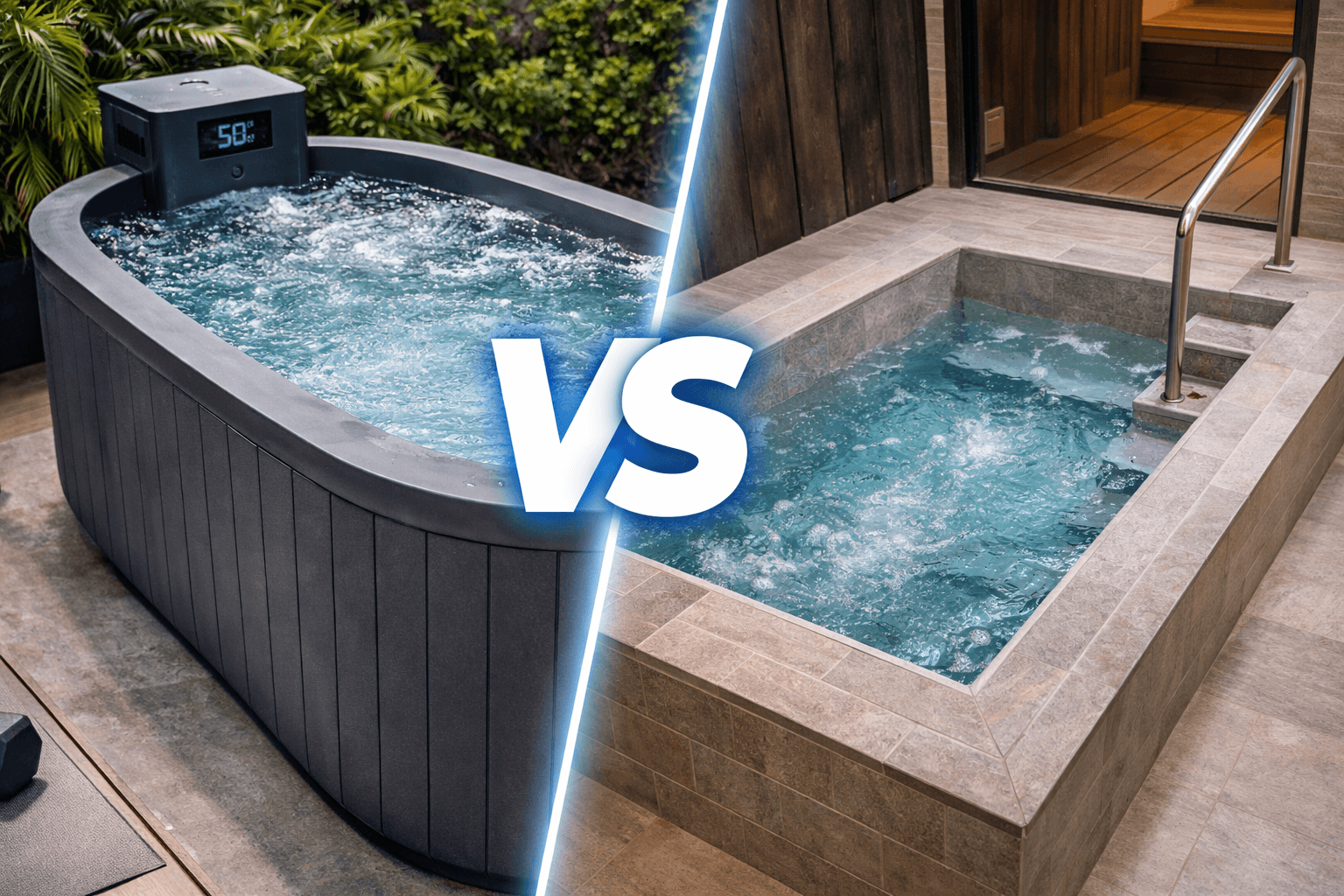
Cold water immersion has become a popular recovery tool for athletes, wellness seekers, and individuals focused on physical and mental performance. Among the many ways to implement cold therapy, two main options stand out: portable cold plunge tubs and built-in cold plunge models. Understanding how these systems differ is crucial before making a purchase or investment.
Both types support cold water immersion, but they vary widely in design, features, setup, convenience, durability, and long-term value. This article provides an in-depth comparison to help you choose the right cold plunge solution for your lifestyle, space, and goals.
The Rise of Cold Plunge Therapy
Cold plunge therapy, also known as cold water immersion, involves submerging the body in cold water for short periods to accelerate recovery, reduce inflammation, stimulate circulation, and provide mental clarity. While ice baths were once the only option, modern cold plunge systems have evolved significantly.
Today, cold plunge tubs come in two primary categories:
- Portable cold plunge tubs
- Built-in cold plunge models
Each has advantages and limitations. Before you decide, it is important to understand how they compare in real-world use.
What Is a Portable Cold Plunge Tub?
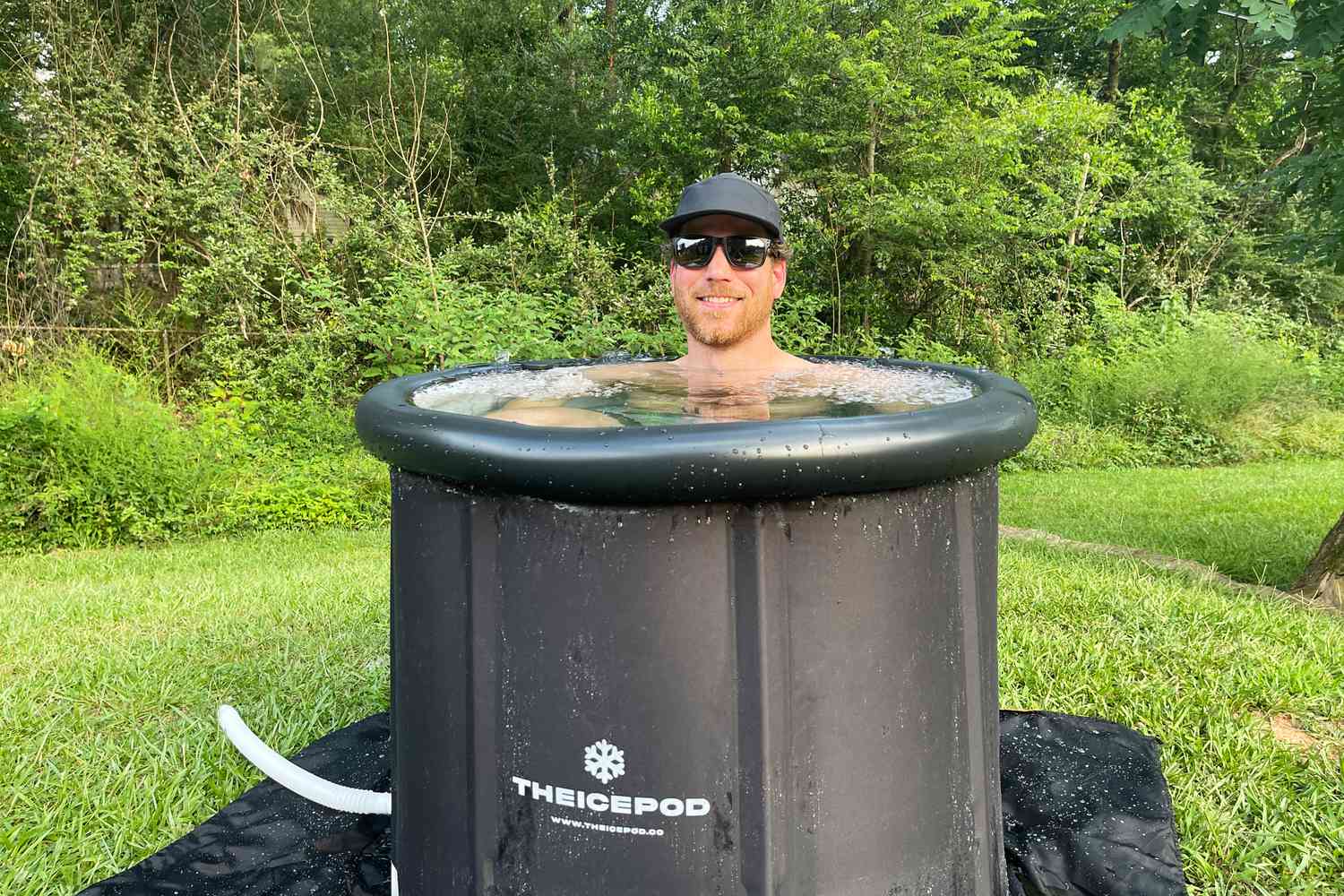
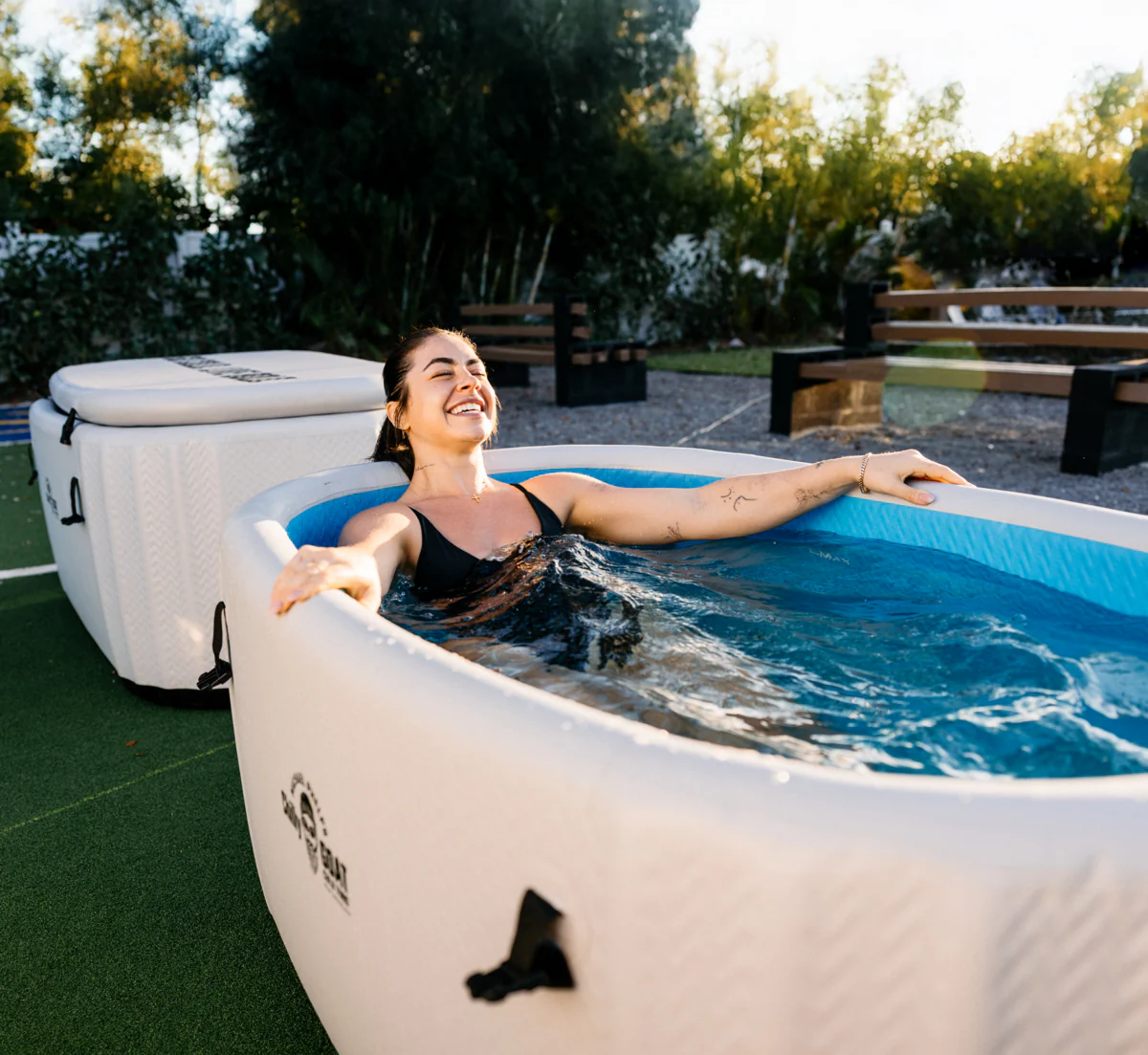
Portable cold plunge tubs are standalone units that can be moved, adjusted, or stored as needed. They are typically pre-manufactured, plug-and-play systems that don’t require extensive installation.
Portable tubs may include features such as:
- Refrigeration/chiller units
- Drain plugs
- Insulated walls
- Water circulation systems
- Removable covers
These units range from basic DIY tubs designed for occasional use to advanced portable models with temperature control and filtration.
What Are Built-In Cold Plunge Models?
Built-in cold plunge models are custom-installed or semi-permanent systems designed to stay in one location. Often, these are integrated into a home spa area, gym, or wellness space. They may be tiled into the floor, connected to dedicated water lines, and designed for long-term, frequent use.
Built-in models tend to be larger, more powerful, and more customizable than portable options. They may include advanced features such as:
- Larger water volume capacity
- Integrated water chiller systems
- Heavy-duty filtration
- Permanent drainage
- Custom finishes (tile, stone, concrete)
Head-to-Head Comparison
Below is a detailed comparison of portable tubs and built-in models across key categories.
1. Portability and Flexibility
Portable Cold Plunge Tubs:
Portable tubs are designed for flexibility. They can be placed indoors or outdoors, moved between locations, or stored when not in use. For individuals renting a home or with limited space, portability is a major advantage.
Built-In Models:
Built-in cold plunge systems are permanent or semi-permanent. Once installed, they are intended to stay in place. This makes them less flexible, but it also allows for larger, more integrated designs.
Winner (Portability): Portable Cold Plunge Tubs
2. Installation and Setup
Portable Cold Plunge Tubs:
Most portable units are plug-and-play. They require minimal setup — typically just leveling, filling with water, and connecting a power source. No construction or plumbing is required.
Built-In Models:
Built-in systems often involve construction, plumbing, electrical work, and potentially professional installation. The installation time and cost are significantly higher.
Winner (Ease of Setup): Portable Cold Plunge Tubs
3. Customization and Design
Portable Cold Plunge Tubs:
Portable options offer limited customization. You may choose between a few models, colors, and sizes, but the essential structure is fixed.
Built-In Models:
Built-in cold plunge systems excel in customization. You can choose materials (stone, tile, concrete), size, features, depth, and integration with other wellness elements like saunas or hot plunge tubs.
Winner (Customization): Built-In Models
4. Performance and Temperature Consistency
Portable Cold Plunge Tubs:
Portable units with built-in chillers can maintain stable temperatures, but they may be less powerful than built-in systems, especially in extreme climates or during heavy use.
Built-In Models:
Built-in systems often have more powerful chillers and larger water volume capacity, which contributes to more stable and consistent temperatures. This is especially important for frequent daily use or multiple users.
Winner (Temperature Control): Built-In Models
5. Water Quality and Filtration
Portable Cold Plunge Tubs:
Many portable tubs come with basic filtration, which is suitable for personal or occasional use. However, advanced filtration systems may not be standard in all models.
Built-In Models:
Built-in systems often include heavy-duty filtration and sanitation, making water maintenance easier over time. This is especially beneficial for shared spaces or frequent use.
Winner (Water Quality Management): Built-In Models
6. Maintenance Requirements
Portable Cold Plunge Tubs:
Maintenance for portable models is relatively straightforward. Draining, cleaning, and refilling depends on usage frequency. Basic filtering systems may require occasional cartridge changes.
Built-In Models:
Built-in systems may require more complex maintenance, including professional servicing for pumps, chillers, and filtration systems. However, better systems often mean longer intervals between service.
Winner (Simple Maintenance): Portable Cold Plunge Tubs
7. Cost and Long-Term Value
Portable Cold Plunge Tubs:
Portable options are generally less expensive upfront. However, the long-term value may depend on durability, frequency of use, and replacement costs.
Built-In Models:
Built-in systems have a higher initial cost, including installation. Over time, however, the durability, performance, and potential integration with other wellness elements may justify the investment.
Winner (Initial Cost): Portable Cold Plunge Tubs
Winner (Long-Term Value, Potentially): Built-In Models
8. Space Requirements
Portable Cold Plunge Tubs:
Portable tubs are ideal for limited space. They can be placed on patios, garages, spare rooms, or decks without requiring structural changes.
Built-In Models:
Built-in cold plunges need dedicated space, waterproofing, and often structural considerations. This may be less practical in small homes or rented properties.
Winner (Space Flexibility): Portable Cold Plunge Tubs
9. Aesthetic Integration
Portable Cold Plunge Tubs:
Portable tubs have a functional look that fits most settings, but they may not blend seamlessly with high-end design themes.
Built-In Models:
Built-in cold plunge systems can be designed as a centerpiece of a wellness area, incorporating premium finishes and matching surroundings.
Winner (Visual Integration): Built-In Models
Practical Use Cases
Thinking about how you plan to use your cold plunge can clarify your choice.
When a Portable Tub Makes Sense
- You rent your living space.
- You want to test cold therapy without a major investment.
- You plan to move or remodel frequently.
- You have limited space.
- You prefer a simple setup and minimal maintenance.
When a Built-In Model Is Better
- You own your home and want a permanent wellness solution.
- You plan to use cold therapy daily.
- You want seamless design integration with saunas, hot tubs, or spa areas.
- You want more powerful chillers and advanced filtration.
- You have multiple users.
Common Myths and Misconceptions
Myth: Portable Tubs Are Inferior in Performance
Reality: High-quality portable tubs with built-in chillers can perform as well as many built-in systems for personal use.
Myth: Built-In Models Are Only for Luxury Homes
Reality: While common in high-end spaces, built-in systems are available at various price points and sizes.
Myth: Ice Baths Are Better Than Both
Reality: Ice baths are a low-cost alternative, but they lack temperature control, convenience, and consistent results that both portable and built-in systems offer.
Tips for Choosing the Right Cold Plunge
Assess Your Space: Measure the area where you plan to place the tub.
Set a Budget: Consider both short-term costs and long-term value.
Think About Frequency: Choose a stronger, more consistent system if you’ll use it daily.
Consider Plumbing Access: Built-in models may require water and drain lines.
Check Power Requirements: Cold plunge tubs need reliable electrical access.
Look at Filtration: Better filtration means less frequent water changes.
Final Thoughts
Both portable cold plunge tubs and built-in models have clear strengths. Portable tubs win in flexibility, affordability, and simplicity. Built-in models excel in performance, temperature consistency, and aesthetic integration.
Your choice should reflect how often you use cold therapy, how much space you have, and how much you are willing to invest in your wellness setup. There is no one-size-fits-all answer, but understanding the differences will help you choose confidently.