
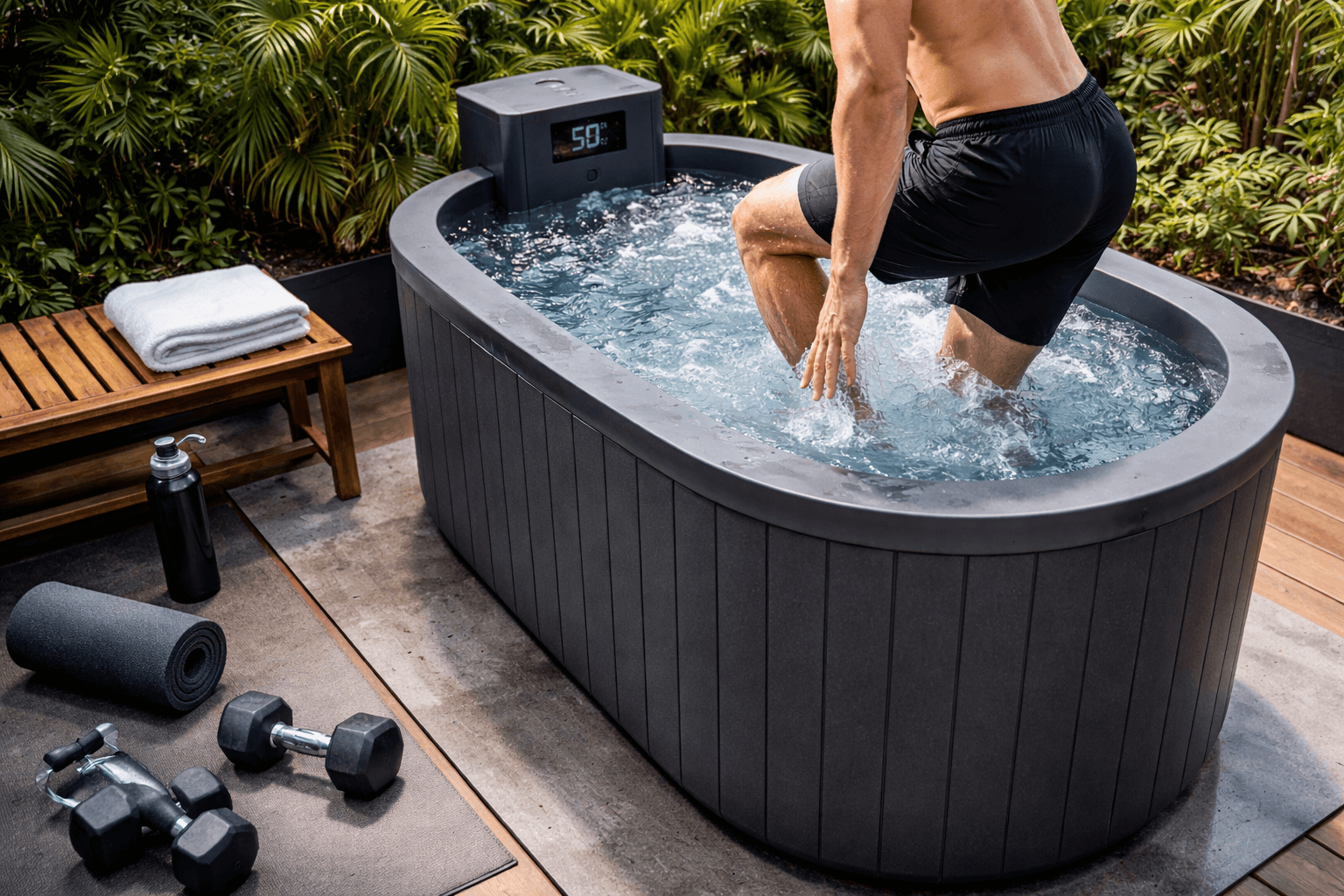
Daily recovery has become a critical focus for athletes, fitness enthusiasts, and individuals with physically demanding lifestyles. Whether caused by intense workouts, long hours on your feet, or everyday stress, physical fatigue can build up quickly if the body does not recover properly. One recovery method that has gained widespread attention is the use of cold plunge tubs.
Cold plunge tubs are no longer limited to professional athletes or elite training facilities. They are now widely used in gyms, wellness centers, and home environments. Their growing popularity is largely due to their ability to support daily recovery in a consistent, controlled, and convenient way.
How Cold Plunge Tubs Help with Daily Recovery?
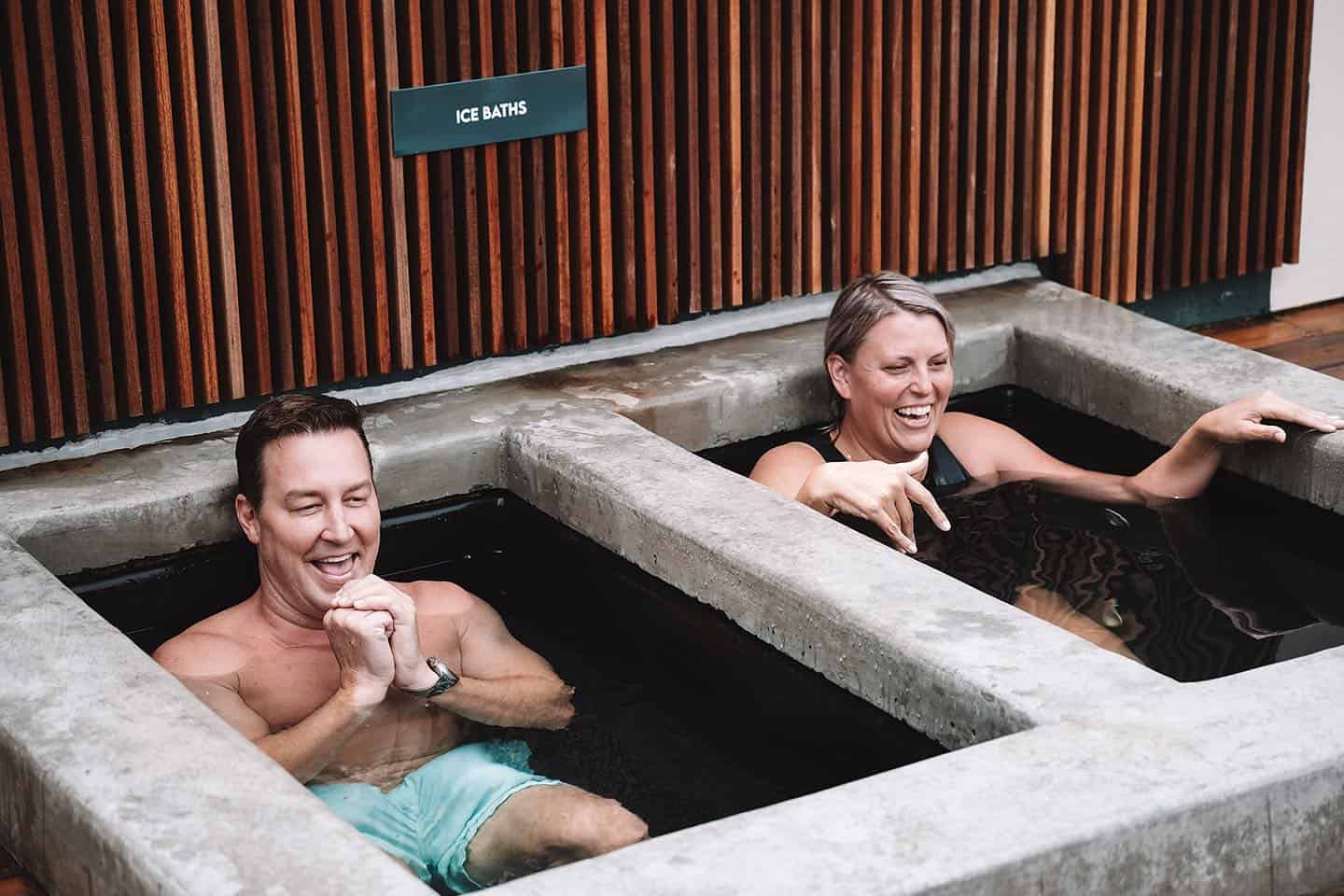
What Is Daily Recovery?
Daily recovery refers to the body’s ability to repair and restore itself after physical and mental stress. This includes muscle repair, nervous system regulation, inflammation control, and mental reset. Recovery is not only important after intense workouts but also after everyday activities such as walking long distances, lifting objects, or spending long hours sitting or standing.
Without proper recovery, fatigue can accumulate, leading to soreness, stiffness, reduced performance, and increased risk of injury. This is why many people now treat recovery as a daily habit rather than an occasional practice.
What Is a Cold Plunge Tub?
A cold plunge tub is a dedicated cold water immersion system designed to maintain low water temperatures consistently. Unlike traditional ice baths, cold plunge tubs use a chiller to cool the water and keep it within a specific temperature range. Most systems also include water circulation and filtration to support repeated use.
Cold plunge tubs are built for regular use, making them suitable for daily recovery routines. Users can step into cold water at the same temperature every session, which helps create a structured and reliable recovery process.
How Cold Exposure Affects the Body
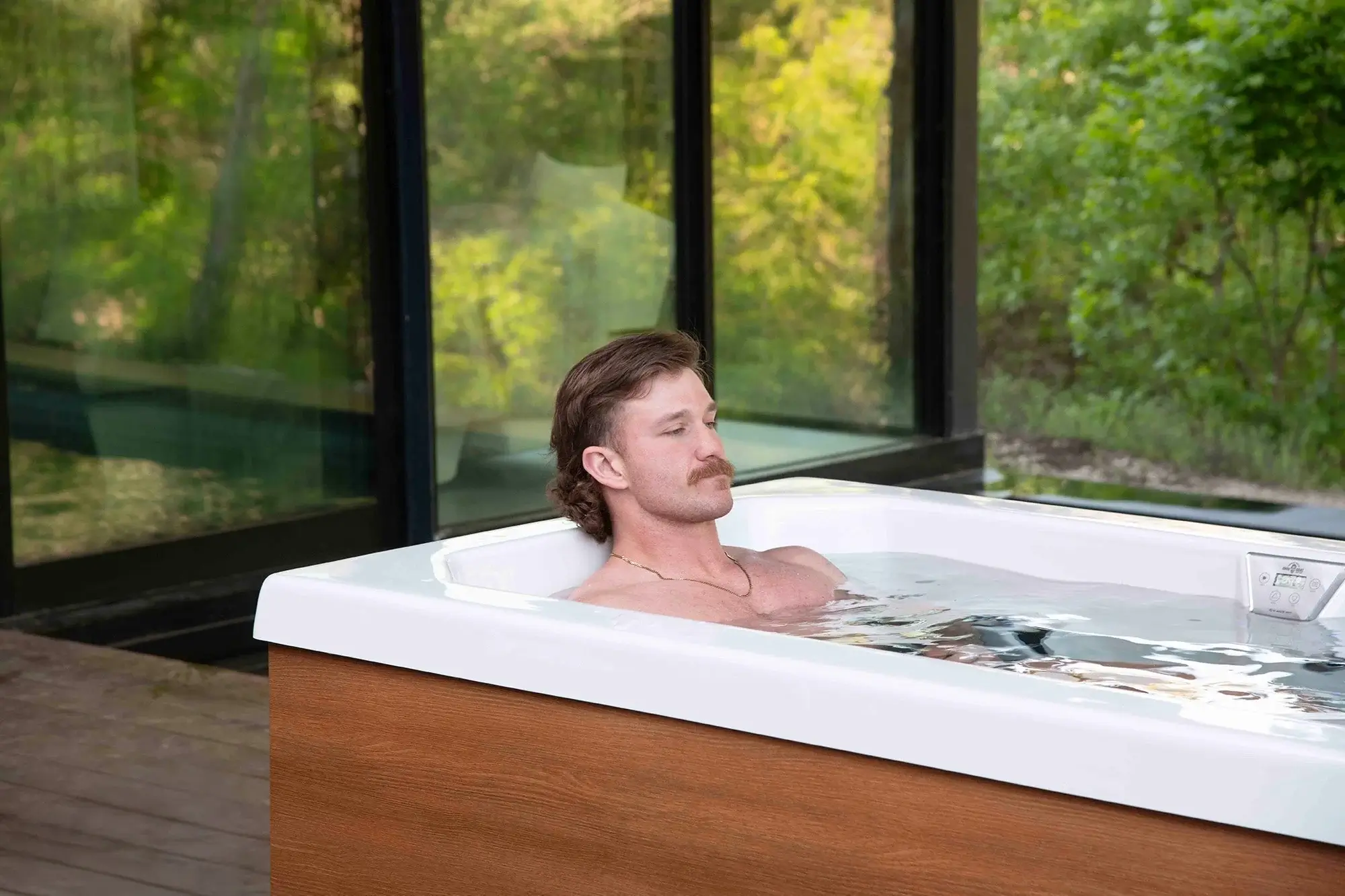
When the body is exposed to cold water, several physiological responses occur. Blood vessels near the skin constrict, which helps reduce swelling and inflammation in muscles and joints. This process, known as vasoconstriction, temporarily limits blood flow to the extremities.
Once the body warms up again after exiting the cold plunge, blood vessels expand. This allows fresh, oxygen-rich blood to flow back into the tissues. This cycle of constriction and expansion supports circulation and may help flush out metabolic waste.
Cold exposure also activates the nervous system, which can improve alertness and mental clarity. For many people, this mental effect is just as important as the physical benefits.
Reducing Muscle Soreness
One of the most common reasons people use cold plunge tubs for daily recovery is to reduce muscle soreness. Physical activity causes microscopic muscle damage, which leads to inflammation and discomfort during the recovery process.
Cold water immersion may help limit excessive inflammation, which can reduce soreness and stiffness. By using a cold plunge tub regularly, individuals may feel more comfortable returning to physical activity sooner.
For people who train daily or perform repetitive physical tasks, this reduction in soreness can make a noticeable difference in overall comfort and mobility.
See also: Cold Plunge Tub vs Ice Bath
Supporting Joint Health
Joints are often affected by repetitive movement, impact, and strain. Cold plunge tubs may help reduce joint discomfort by limiting swelling around the joints. Cold exposure can temporarily numb pain receptors, which may provide short-term relief.
This can be especially helpful for individuals who experience joint stress from running, weightlifting, or standing for long periods. While cold plunging is not a medical treatment, it can be a useful part of a broader recovery routine.
Improving Circulation
Cold plunge tubs support circulation through repeated exposure to cold and warmth. The body’s natural response to temperature changes helps promote blood flow, which is essential for delivering nutrients and oxygen to muscles.
Improved circulation can support tissue repair and overall recovery. Over time, consistent cold plunge use may help the body become more efficient at managing physical stress.
Enhancing Mental Recovery
Daily recovery is not only physical. Mental fatigue and stress can affect performance, focus, and mood. Cold plunge tubs stimulate the nervous system and require controlled breathing, which can help calm the mind.
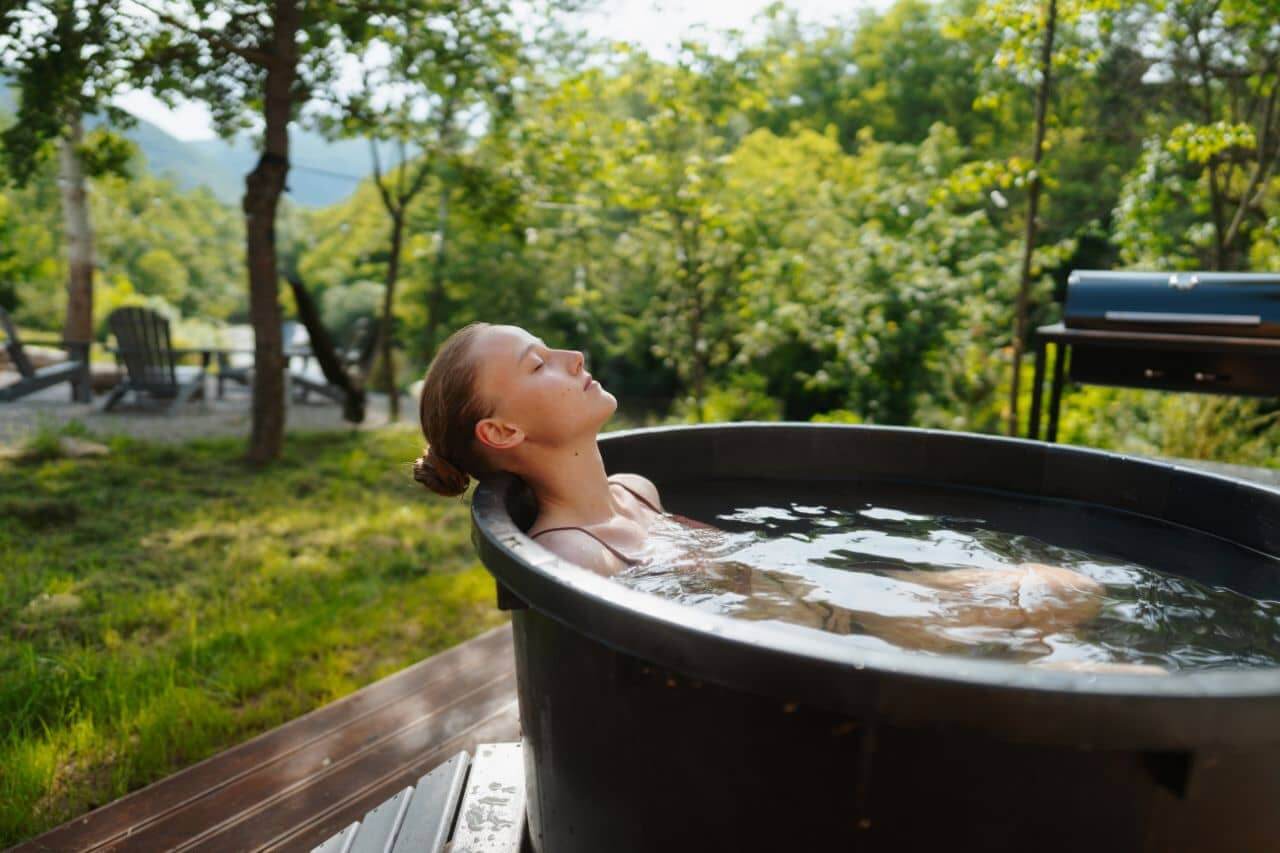
Many users report feeling mentally refreshed after a cold plunge session. This mental reset can be beneficial for people who experience daily stress from work, training, or busy schedules.
The discipline required to step into cold water may also help build mental resilience, making it easier to manage discomfort and stress in other areas of life.
Consistency and Routine
One of the biggest advantages of cold plunge tubs for daily recovery is consistency. Ice baths can vary widely in temperature and require preparation each time. Cold plunge tubs allow users to repeat the same experience every day.
This consistency makes it easier to build a routine. When recovery becomes predictable and accessible, people are more likely to stick with it long term.
Convenience for Daily Use
Cold plunge tubs are designed for ease of use. Once installed, they are typically ready at any time. There is no need to buy ice, measure water, or clean up after each session.
This convenience makes cold plunge tubs especially appealing for daily recovery. Users can fit short sessions into their routine without disrupting their schedule.
Daily Recovery for Active Lifestyles
Cold plunge tubs are commonly used by athletes, but they are also valuable for people with active or physically demanding lifestyles. This includes individuals who work on their feet, lift heavy objects, or engage in regular recreational activity.
Daily cold exposure can help manage accumulated fatigue and support overall physical well-being. Even short sessions may contribute to improved comfort and readiness for the next day.
How Often Should You Use a Cold Plunge Tub?
Frequency depends on individual goals, tolerance, and activity level. Some people use cold plunge tubs daily, while others use them several times per week. Short sessions of a few minutes are often sufficient for daily recovery.
It is important to listen to your body and avoid overexposure. Gradually building tolerance can help ensure a safe and sustainable practice.
Conclusion
Cold plunge tubs have become a valuable tool for daily recovery because they offer consistency, convenience, and controlled cold exposure. By supporting muscle recovery, reducing soreness, improving circulation, and promoting mental reset, they help individuals manage daily physical and mental stress.
For those who prioritize recovery as part of their daily routine, cold plunge tubs provide a reliable and effective solution. When used responsibly, they can support long-term wellness and improved performance in everyday life.